Slay the Spire 2 Beginner Tips: Best Starting Character and Early Mistakes to Avoid
Slay the Spire 2 is deep into Steam Early Access with five characters and new co-op. Here is the best starter, deck-building basics, and the mistakes that end runs early.


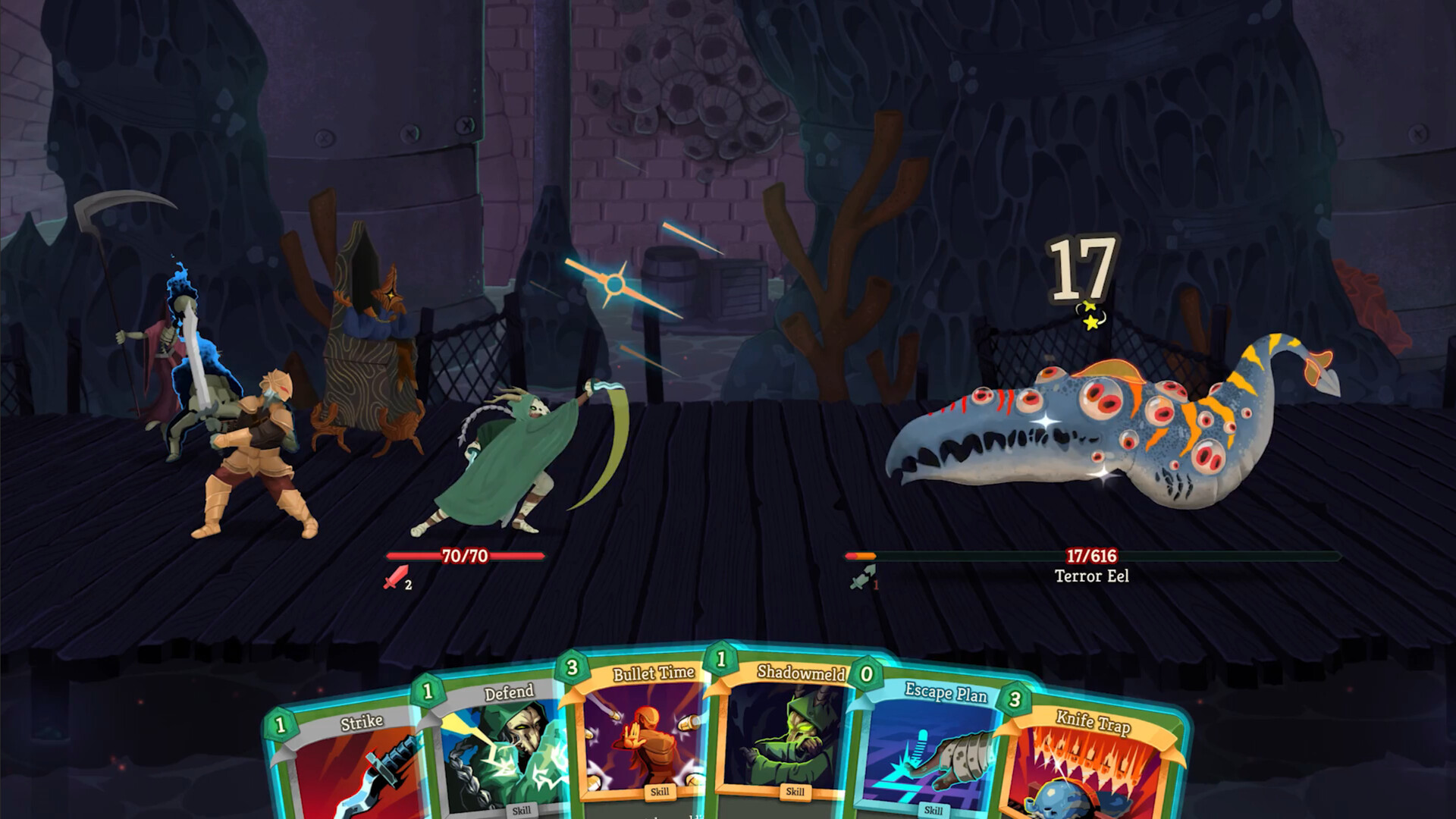
The Defect squares off against an early boss in Slay the Spire 2's Steam Early Access build. Image: Mega Crit.
Slay the Spire 2 landed in Steam Early Access on March 5, 2026, and the numbers back the hype: developer Mega Crit says the game topped 177,000 concurrent players on launch day, a mark that beat Hades 2 and Mewgenics for the genre, and crossed 400,000 the next day. If you are coming to Slay the Spire 2 now, you are joining a build with months of balance patches behind it, five playable characters, and a four-player co-op mode the original game never had. None of that changes the fastest way to lose a run in the first hour: picking the wrong starter and building a deck with no plan.
Picking Your First Character
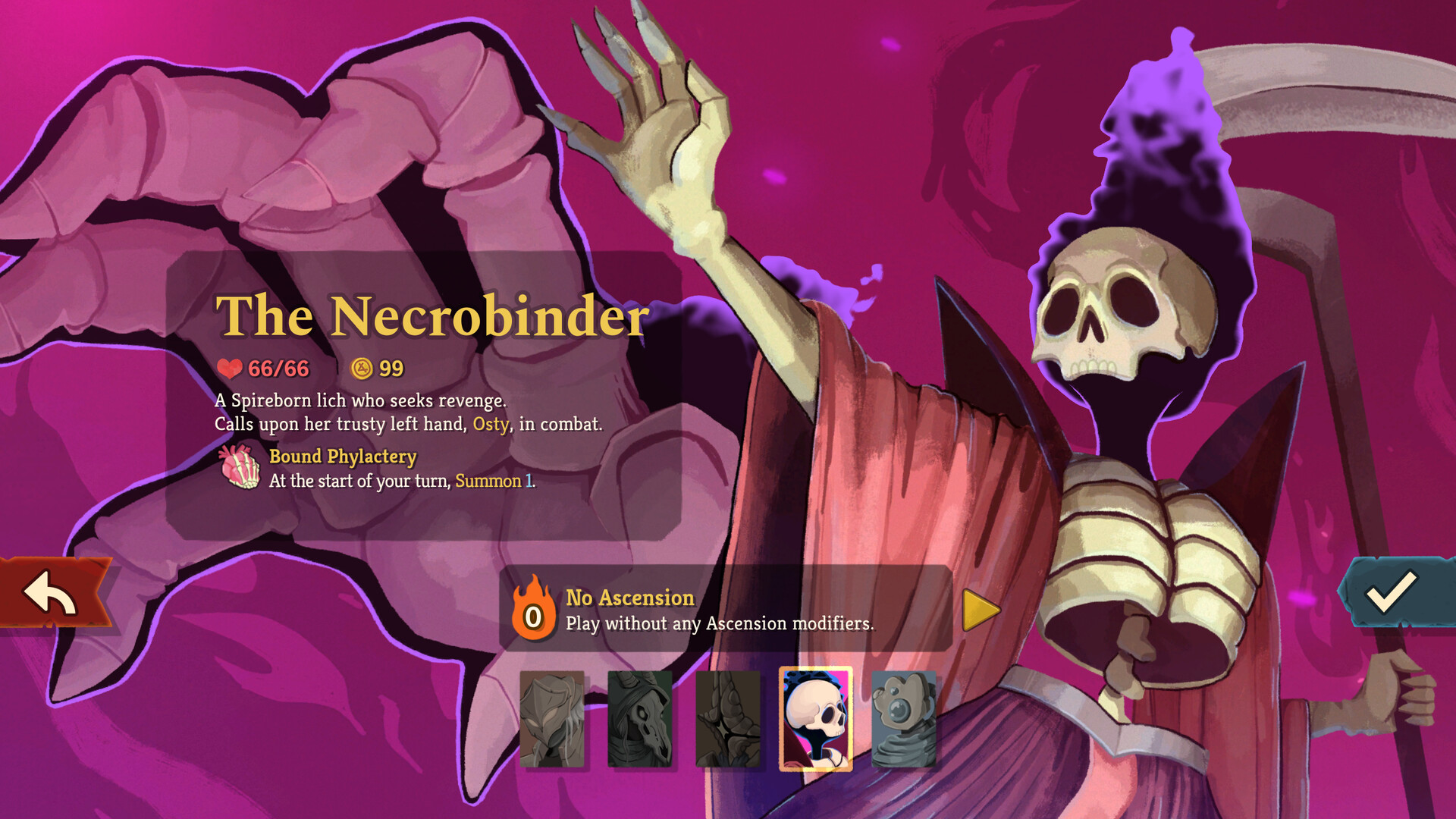
Five characters are unlocked across the current Early Access build: the returning Ironclad, Silent and Defect, plus two newcomers, the skeletal-hand-wielding Necrobinder and the star-hoarding Regent. Start with the Ironclad. His starting relic, Burning Blood, heals 6 HP at the end of every combat, which means the small misplays that would snowball into a dead run on any other character get patched over automatically. He opens at 80 HP and wins by stacking Strength, leaning on Exhaust effects to thin his deck, and applying Vulnerable before he swings. None of that asks you to read a wiki first.
Thin Your Deck Before You Power It Up
The starting Strike and Defend cards in every deck are weak on their own and get worse the longer they clog your draw pile. Spend early gold and event choices removing them instead of hoarding cards you will never play. A ten-card deck built around one plan, Strength and Vulnerable for the Ironclad, poison stacking for the Silent, consistently beats a twenty-card pile of situational answers, because every draw in a small deck is a card that actually helps that turn.
Read the Boss Icon Before You Draft
The act boss shows up at the top of the map the moment a new act starts, and it tells you what to build toward before you pick a single card. Early Access also removed the free escape options on several events that let first-game players walk away from a bad roll at no cost, so a cautious route through Act 1 matters more than it used to. The mistakes that end runs fastest:
- Fighting every optional elite in Act 1 before the deck has a win condition
- Skipping rest sites to rush the next fight instead of upgrading a key card
- Taking an enchantment without reading what it removes or weakens
- Ignoring the act boss icon and drafting cards that do not answer it
- Chasing a flashy combo before learning which small threats actually end a run
What Four-Player Co-op Changes
Early Access added a dedicated four-player co-op mode that the original Slay the Spire never had. Enemies scale up, with more health and attacks that can hit the whole party, and allies can heal, shield and buff each other mid-fight. A downed player does not end the run; they return with 1 HP once the current fight ends, and the climb only stops if everyone goes down at once. It is a forgiving entry point for a friend who has never played a deckbuilder, since one shaky turn no longer sinks the group.
Unlocking the Rest of the Cast
The five characters unlock in sequence rather than all at once. A run as the Ironclad opens the Silent; a Silent run opens the Regent; a Regent run opens the Necrobinder, who leans on a reanimated skeletal hand named Osty for extra damage and block; and that unlocks the Defect last, whose orb engine is the most puzzle-like kit in the cast and the hardest to pilot cold. Mega Crit has said two more characters are planned for later in Early Access, eventually bringing the roster to seven. Working through that order means each new character's habits already feel familiar by the time the harder kits show up.
Quick Checklist for Your First Run
- Start with the Ironclad and lean on Burning Blood's free healing
- Remove Strikes and Defends early instead of stacking more cards
- Check the act boss icon before committing to a card plan
- Read every enchantment's drawback before accepting it
- Clear a run with each character in order to unlock the next one