Way of the Hunter 2 Beginner Tips: Best Starting Choices and Early Mistakes to Avoid
Nine Rocks Games built three hunting grounds, a trainable dog and a new shot-review camera into Way of the Hunter 2. Here's where to start, how to use your dog, and what costs a trophy.

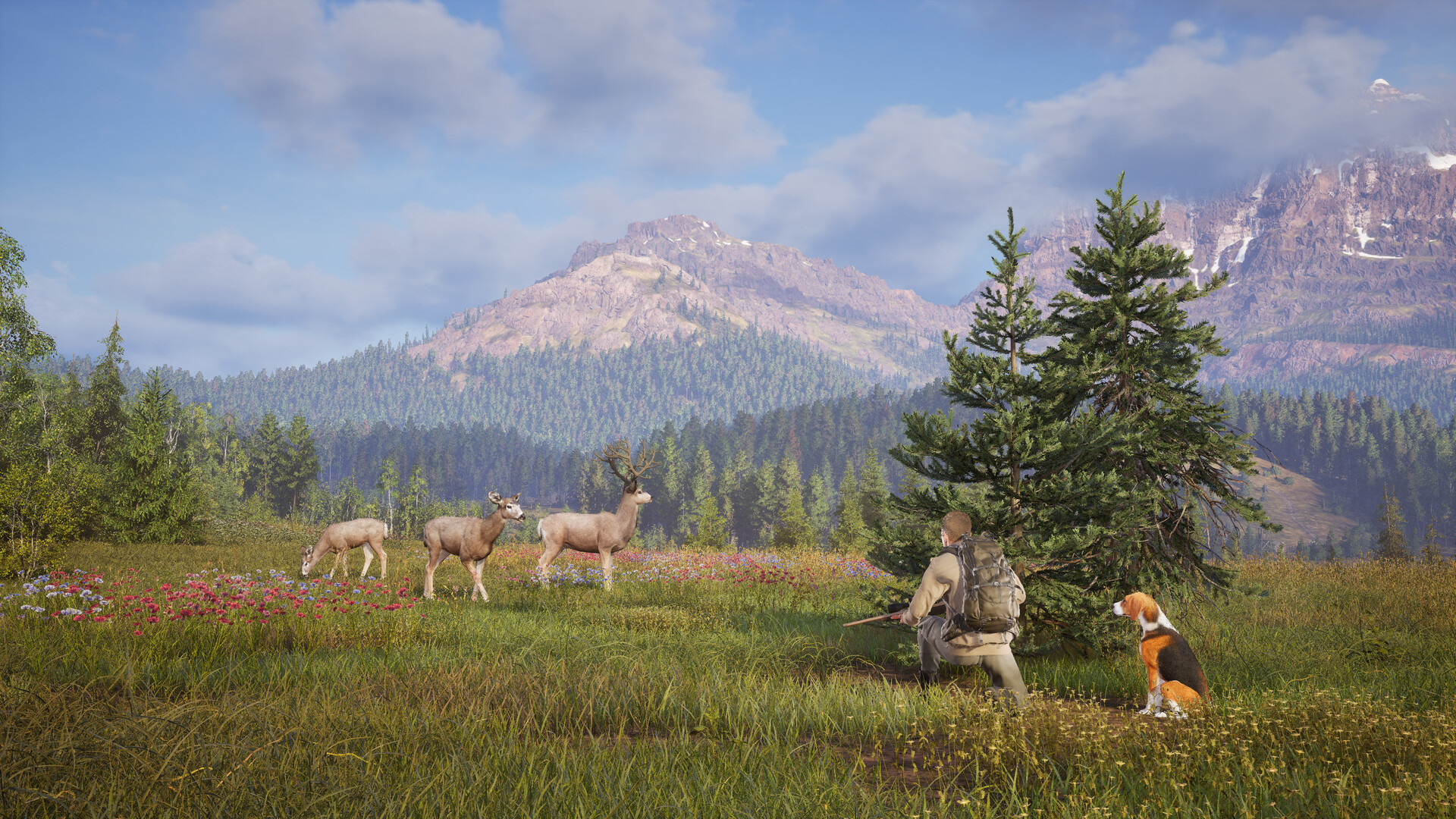
New Laurentia pairs players with a trainable hunting dog from the first hour of Way of the Hunter 2. Image: Nine Rocks Games.
Way of the Hunter 2 left early access on September 29 with a full 1.0 release across PC, PS5 and Xbox Series, and the jump from a single testing ground to three real hunting regions changes how a new player should spend the first few hours. Nine Rocks Games built the sequel around a trainable hunting dog, a redesigned shot-review camera and reserve-monitoring gear that only pays off once you understand what it is actually telling you. Here is where to start, what to prioritize, and the mistakes that cost most new hunters a trophy in the opening sessions.
Start in New Laurentia, not Kilimaya
The campaign opens in New Laurentia, a Canadian-inspired region built around moose, elk, bear, bison and a scattering of smaller game, and the early story missions have you working alongside a local warden to figure out why the resident moose herd is behaving strangely. That thread teaches the core loop: reading tracks, setting up a stalk, and using the terrain instead of running in a straight line at anything that moves. Kilimaya Reserve, the African hunting ground with lions and hippos among its wildlife, asks for faster reflexes and a better read on dangerous-game behavior, so it is a poor place to learn the controls. Finish enough of the New Laurentia opening to unlock Kilimaya before you go looking for a change of scenery.
Train your dog before you need it
Every hunter gets a dog companion early on, and the game is explicit that it only becomes useful through repeated use: it is built to find animal signs and follow the blood trail of a wounded animal, and it gets better at both the more you take it out and keep it exercised. New players tend to ignore the dog until they lose a wounded animal in heavy brush, then wonder why it will not reliably pick up a trail. Bring it on every outing from the start, including short, low-stakes walks, so it is actually dependable once you are chasing a trophy-class animal that ran two hundred meters after the shot.
Use the Shot Review camera, every time
The 1.0 release adds a Shot Review system: an enhanced bullet-cam that replays your shot's trajectory, speed, angle and placement after you fire. Treat it as a diagnostic tool, not a highlight reel. If an animal runs further than expected or the kill is slower than it should be, the replay will usually show a shot that landed low, caught the shoulder instead of the chest, or was taken at a steeper angle than you judged through the scope. Reviewing a handful of shots in the opening hours will correct bad habits — holding too high, rushing the trigger on a moving target — long before they cost you a serious trophy.
- Hunt in New Laurentia until the moose-anomaly missions wrap up, then move to Kilimaya
- Take the dog on every outing, not just the ones that look difficult
- Replay every shot in the first few sessions, even clean kills
- Match your optic and ammunition to the animal's size class before you commit to a stalk
- Bank your early trophy fees and reserve-monitoring tool unlocks rather than spending on cosmetics
Gear and settings worth adjusting early
New Laurentia and Kilimaya both support the game's thermal night vision and reserve-monitoring tools, which track herd movement and habitat conditions across the map. They are genuinely useful once you have a feel for an area, but they can also turn early hunts into a checklist exercise instead of a hunt. Consider leaving the heads-up tracking aids on their default settings for your first few sessions in each region, then dial in thermal and monitoring overlays once you already know the terrain and just want to save time finding animals you have already scouted.
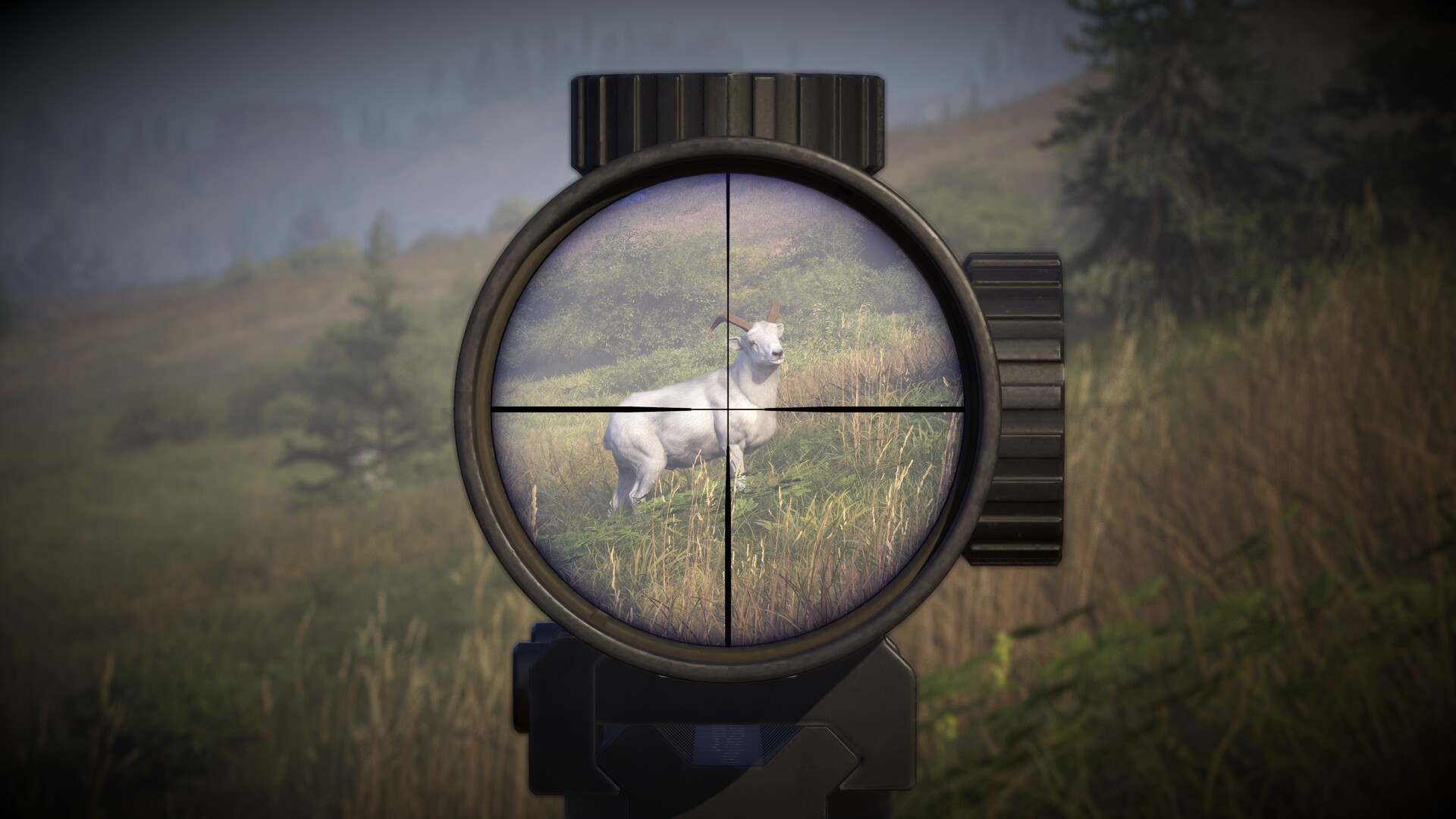
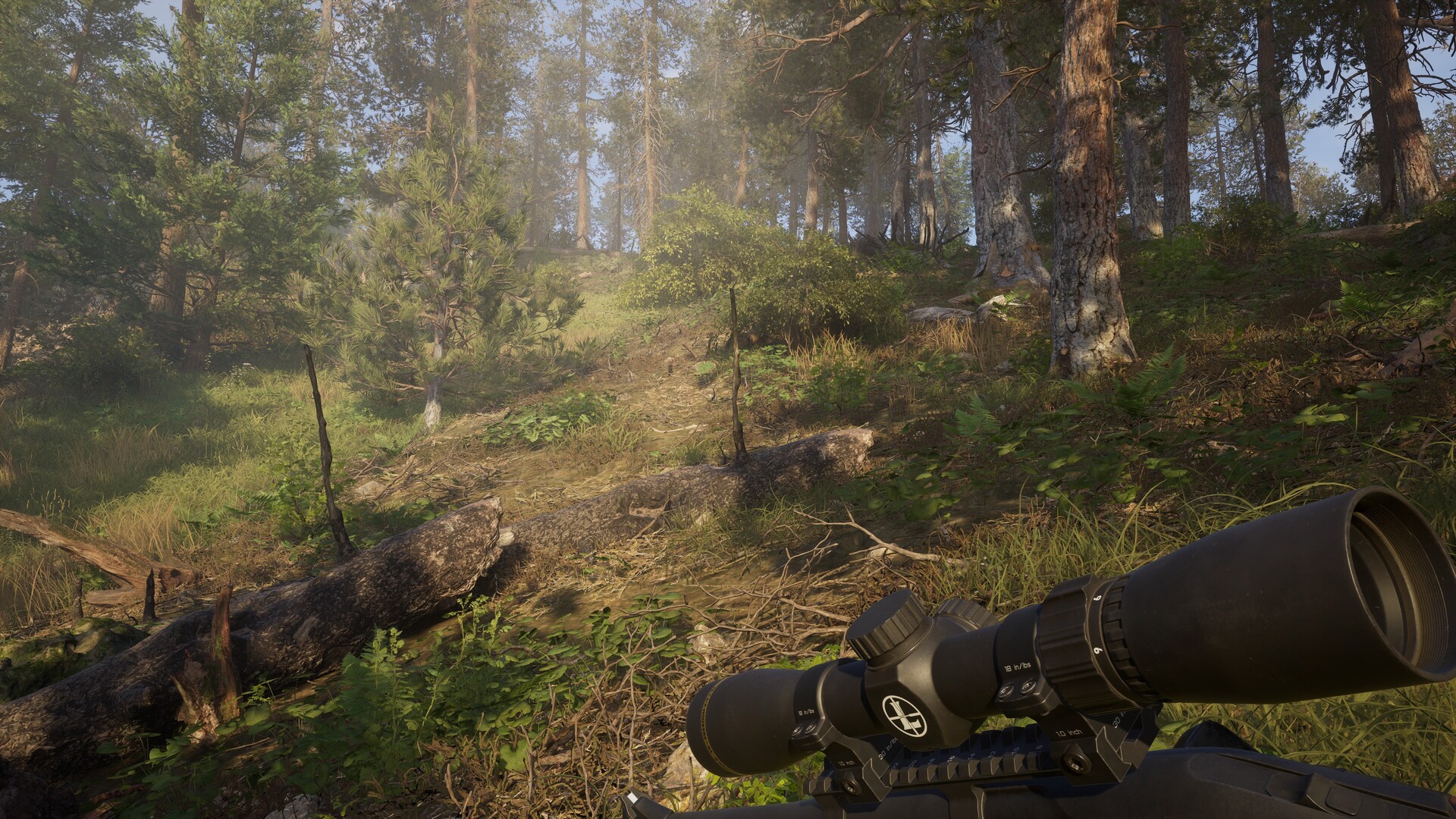
Weapon and gear progression carries real licensed hardware this time, including optics and rifles from brands like Bushnell, Zeiss and Christensen Arms, and each one is tuned for a specific range and animal size rather than being a straight upgrade. A scoped rifle that flattens a Kilimaya antelope will often be the wrong tool, or the wrong caliber class, for something the size of a hippo or a New Laurentia bison. Check an animal's size rating against your loadout before you commit to a shot, not after you have already fired and watched it run.
Early mistakes that cost the most trophies
The two mistakes that show up most in the opening hours are rushing a stalk and shooting at a bad angle. Running toward a sighted animal instead of circling into the wind gives it away almost every time, and a quartering-away shot at a steep angle is far more likely to wound than a clean, broadside hit. The ESRB rating for Way of the Hunter 2 covers blood and violence for a reason — this is a simulation built around realistic wound mechanics, not an arcade shooter where a miss just means a second shot.
Quick checklist
Settle into New Laurentia, use the dog from day one, review your shots, and keep your loadout matched to what you are actually hunting. Those four habits carry over directly once you unlock Kilimaya and start chasing bigger, more dangerous animals. Nine Rocks Games, the Bratislava studio behind the series, and publisher THQ Nordic's own breakdown of the dog system both go into more depth on the companion mechanics if you want the full detail. The game is available now on Steam, and our launch-day breakdown of editions and pricing covers everything else you need to know before you buy in.